

Xebiro developing European tech in London, Colombo, and Jaffna
By Jekhan Aruliah
COVID-19 lockdowns and remote working
The COVID-19 pandemic, which had a devastating impact on health and on economies, is having a revolutionary impact on working and learning. Schools and universities were shoved unready from in-class to distance learning. Young people looking forward to a few years of unsupervised love and unhealthy food in university campuses found themselves stuck studying in their bedrooms at home. Rural children and teachers, those who had smartphones, were climbing trees to access internet signal to get lessons. Offices were forced to embrace working from home. Technologies were rapidly adopted to support all this remote learning and working. ZOOM, which launched with little fanfare in 2013, became a household name thanks to COVID-19’s lockdowns. ZOOM’s quarterly reported revenue that had been gently growing since its launch suddenly jumped from US$200m in Q4 2019 to over US$1 billion in Q4 2021. A fivefold increase in just 2 years.
Remote working has actually been technically possible for
many years but has not been widely adopted. Held back by mistrust of network
security and perhaps more by mistrust of staff and students goofing off.
Technologies were honed to monitor the work rates of remote users by counting
key strokes and mouse movements, and by taking random screenshots. Workers
accept this intrusion as a reasonable price to be freed from expensive petrol
guzzling time consuming commuting.
Where remote productivity remained good companies decided to scale down their expensive office spaces permanently even after the lockdowns ended. Some setting up smaller remote offices in less expensive locations. There were other downsides to working in isolation, such as the loss of community and relationship building which create a strong loyal team. The more imaginative employers found ways around this.
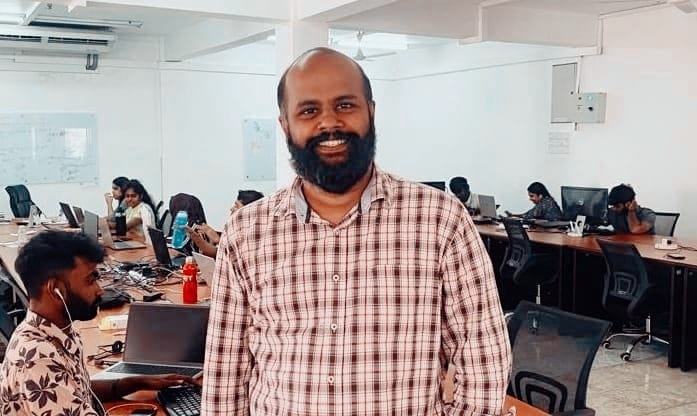
During the COVID-19 lockdowns the technology company Xebiro sent several of its staff in Colombo to their homes in Jaffna. When the lockdowns were eased, instead of bringing them back to Colombo Xebiro decided to setup an office in the Northern capital itself. The company was founded by a group of people born in Jaffna. Some left at an early age, others finished their A Levels before moving south to study. The current directors, Shaseevan Ganeshananthan (President), Premkumar Rajathurai (Director, Engineering and Operations) and Sajeev Edward (Director, Marketing and Partnership), met as undergraduates at Colombo University.
Conceived by Shaseevan in 2016, Xebiro started operations in 2017 under the name Ontomatrix. Sajeev returned from the United Arab Emirates where he was working in market research to join Shaseevan. The company originally focussed on digital marketing and application development for clients in Europe. As the business grew the application development work was hived off into a separate company Codelantic. Prem joined later to head Codelantic having worked for leading IT companies JKH, MIT and Virtusa.
While the company started in London and Colombo, it was in the minds of the directors someday to do something in Jaffna. COVID-19’s lockdowns made that someday come straightaway.
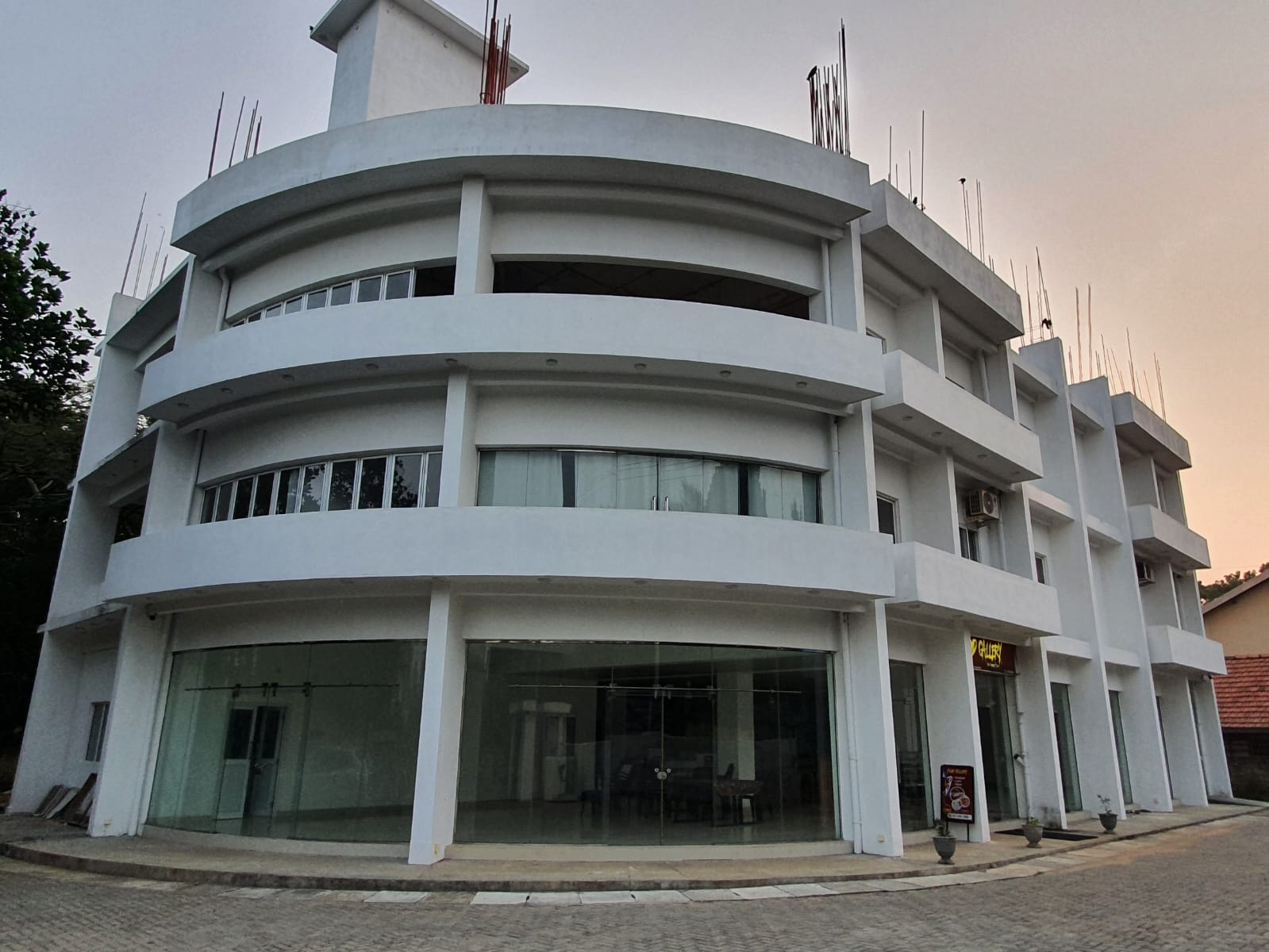
With their head office in London doing the business development, the company first built its team in Colombo. In 2020 Xebiro, pushed by COVID-19’s lockdowns, started setting up in Jaffna. Xebiro initially rented an old house as the office to test whether this initiative would work. By mid 2021, happy with the pilot run, the directors made the decision to move to a permanent location. They found this in a modern building 500 meters down the road from Jaffna University.
Xebiro now has about 25 staff in Jaffna, and over 70
worldwide. Xebiro’s policy is to recruit interns who already have the technical
skills required as developers, business analysts, QA, and Dev Ops. Sajeev
commented that the technical skills of the new recruits in Jaffna are on par
with new recruits in Colombo. He said training new recruits is less about
teaching technology, more about teaching discipline, soft skills, and good
attitude.
Recruits have to learn the culture of working in a focused goal driven corporate team environment. They are used to the slower more random pace of life that is common across the whole of Sri Lanka, from North to South, from childhood to adulthood, from government to private sectors. Truly professional work cultures in our country tend to be found where Sri Lankan companies are serving overseas customers. Customers from Europe, North America, Singapore, Australia are very demanding. A Sri Lankan company operating at Sri Lanka’s traditional tempo won’t survive long in that marketplace. Those who do thrive have instilled focus and discipline and good attitude in their organisations. This is true from garments and tea to software and services.
This is particularly true in the fast paced Colombo tech industry. New recruits quickly learn what is expected from their experienced colleagues. The juniors learn attitudes by absorbing the example of their seniors. They can see their punctuality and quiet focussed working. They see the career opportunities that come for the strong performers. They see the rewards of high pay and high spending power. They learn by example that the work defines when the day ends, not the clock.
To inculcate corporate culture Xebiro implemented well defined processes. A thumbprint scanner records when staff arrive and when they leave. A strict dress code is enforced. Meetings start on time and are minuted. Well defined manual and automated testing is done. Various software products already in use support remote working: Jira is used for project management; Slack for communication within teams; Code quality is checked through SonarQube. Hivedesk, an application installed on each computer, monitors what each staff member is doing by tracking the rate of keystrokes, mouse movements, and taking random screenshots. CCTV cameras are installed in the offices to keep an overall view of the place.
While a monitoring system like Hivedesk may sound intrusive
it is actually the same level of oversight that happens when everyone is
physically in the same office. The same level as the manager sitting in the
room keeping her eye on her team. She directly sees if someone is arriving
late, leaving early, taking a nap, chatting on the phone, gone out to the shop,
or watching Netflix., This same level of direct oversight is achieved by
rolling out monitoring technology, whether in a remote office in Jaffna or
working from home in Colombo.
Xebiro started with Ontomatrix for digital marketing, and Codelantic for development. They have added to their business models with Embryoz. Here they become founding partners for startups. In exchange for an equity stake Embryoz provides development, marketing, and other support services at near cost price. Embryoz is currently working with four London startups: Digital Banking Ecosystem; Artificial Intelligence analysis of text; Marketplace for beauty and grooming salons; A full service enterprise wide e-commerce system. More startups partnerships are in the pipeline. Xebiro also has subsidiary companies focussed on startup funding, on technical infrastructure support and management, and on Artificial Intelligence and machine learning applications.
Xebiro has a CSR programme running through its operation called NurtureLeap. Offices will be setup close to universities in the North. This first office is a few hundred meters from Jaffna University on what is known locally and informally as “Campus Road”. Xebiro has a house in Colombo for Northern interns to spend time receiving training at the Sri Lanka Head Office. Through NurtureLeap they give paid internships to young people who already have suitable technical skills. The interns get experience working in software development, digital marketing, IT infrastructure and AI research. At the end of 6-12 months Xebiro guarantees to get them offers of full time jobs, either with a Xebiro company or elsewhere.
NurtureLeap seeks sponsorships from donors to fund even more
interns. This would contribute to the costs of their stipends, equipment, and
other operational costs.
Xebiro’s ambition in Jaffna is together with other tech
companies to create a workforce and opportunities that will reach a critical
mass. A critical mass with enough gravity to hold onto talent and drag talent,
entrepreneurs and investors back to the North from other regions nationally and
internationally. Xebiro wants to be an example for other companies and
investors, to show them what can be done in the North. To encourage those who
would donate and invest to look beyond low value subsistence activities. Look
beyond helping people to survive as village seamstresses or by making generic
low value handicrafts. Look beyond ways of keeping them from starving but
failing to give them a sustainable route to rise out of poverty. So they can
continue rising even when the donations have stopped.
Sajeev Edward, Xebiro Partnership Director, can be contacted at sajeev@xebiro.com
( — The writer Jekhan Aruliah was born in Sri Lanka and moved with his family to the UK when he was two years of age. Brought up in London, he graduated from Cambridge University in 1986 with a degree in Natural Sciences. Jekhan then spent over two decades in the IT industry, for half of which he was managing offshore software development for British companies in Colombo and in Gurgaon (India). In 2015 Jekhan decided to move to Jaffna where he is now involved in social and economic projects. The building mentioned in this article is an investment on ancestral land in Jaffna by Jekhan and his family. He can be contacted at jekhanaruliah@gmail.com — )
Xebiro: London & Colombo, opens in Jaffna

Challenges of remote working in Jaffna
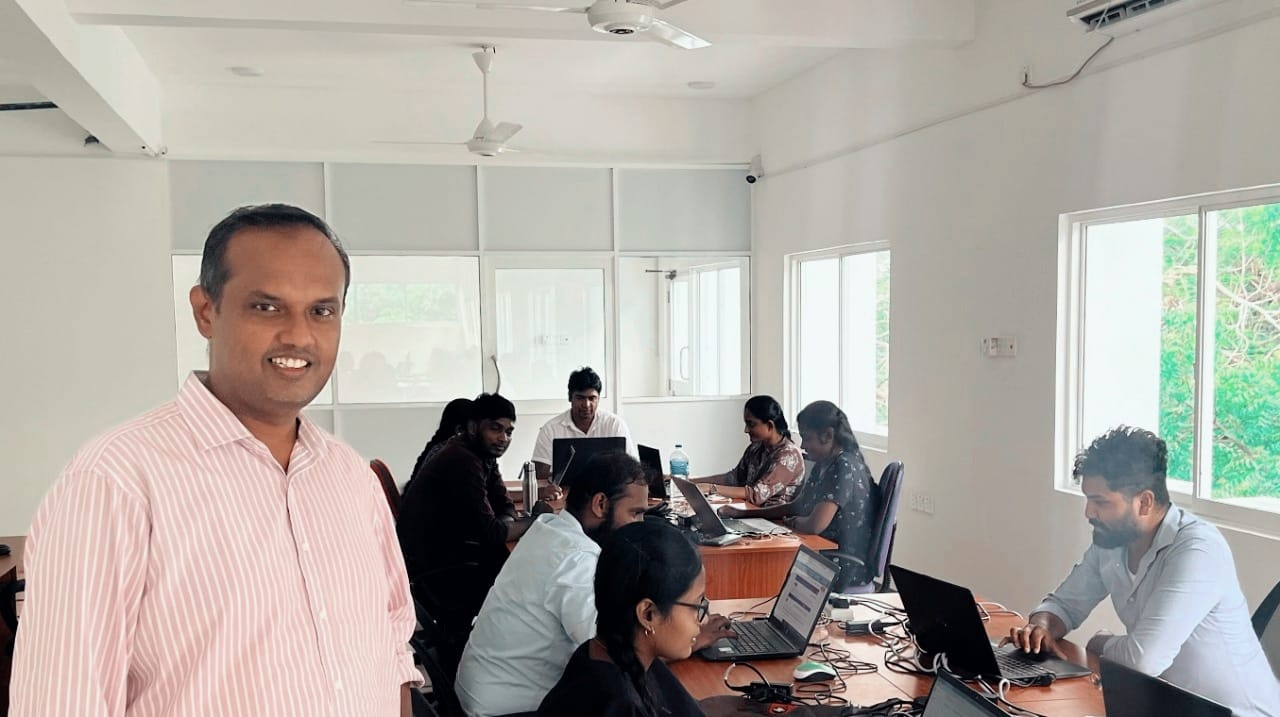
Premkumar Rajathurai, Director Engineering and Operations, in the Jaffna office Developing Northern talent