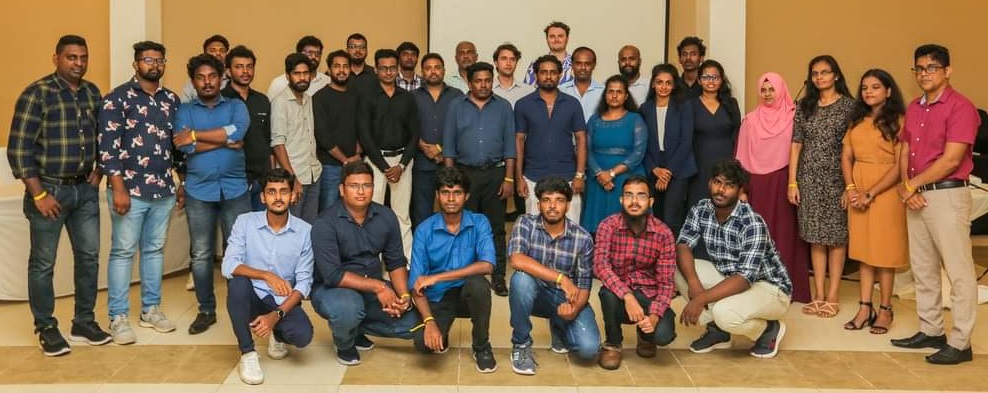

‘s raw talent into IT professionals
By Jekhan Aruliah
For all its catastrophic consequences COVID-19 lockdowns at least had a silver lining for Sri Lanka’s towns and cities beyond the Western Province. Thousands of staff returned from Colombo to hometowns across Sri Lanka to be locked-down with their families. Many sadly lost their jobs, as their work required their physical presence and the wholesale economic downturn turned down demand for their services generally. But the ICT industry was one sector that could carry on by the magic of remote working.
Tech companies found staff working from home turned from a necessary evil to being practical, productive, and cost effective. Methods were developed to remotely manage work and to maintain cohesive teams. CEOs noticed the opportunities of scaling down office space. Less rent, less electricity bills, less cleaners and security, less tea and milk and sugar. Staff who didn’t have to pay through the nose for Colombo rented accommodation, living on salty kade food, commuting on public transport needed less money to live better. Based in Kandy, Trinco, Galle, Jaffna and all points in between, staff were able to accept lower pay. Particularly true for new recruits from these towns fresh into the IT industry who had no expectation of heavy rookie paycheques.
The new recruits from outstation could match their Colombo compatriots with technical skills from their universities and colleges. But they lacked the ‘soft skills’: Communication, Punctuality and other professional protocols. The best way to learn Soft Skills is to have experienced them from birth: loving disciplined parents, caring capable teachers, respectful supportative colleagues. However Soft Skills are not yet embedded in general Sri Lanka society. What is not natural must be nurtured.
The software industry in Colombo is a great example. The best of it has transformed since I came from the UK as an expat development manager in 1993 for seven years. 360 degree Softskills have blossomed. From customer to supplier to manager to staff. In 1993 the “office peon” would pass by unnoticed with his broom, the CEO would glide through the office with hardly a nod to the staff. Now there is a friendly good morning and thank you between highest and lowest. The manager manages her staff respectfully, the staff manage their manager with finesse. Angry customers are dealt with deftly not defensively. Happy customers are persuaded to give good reviews, recommendations, and to buy more. “Softly softly catchee monkey”, as the old saying goes. Soft skills are a powerful means to catch commercial success.
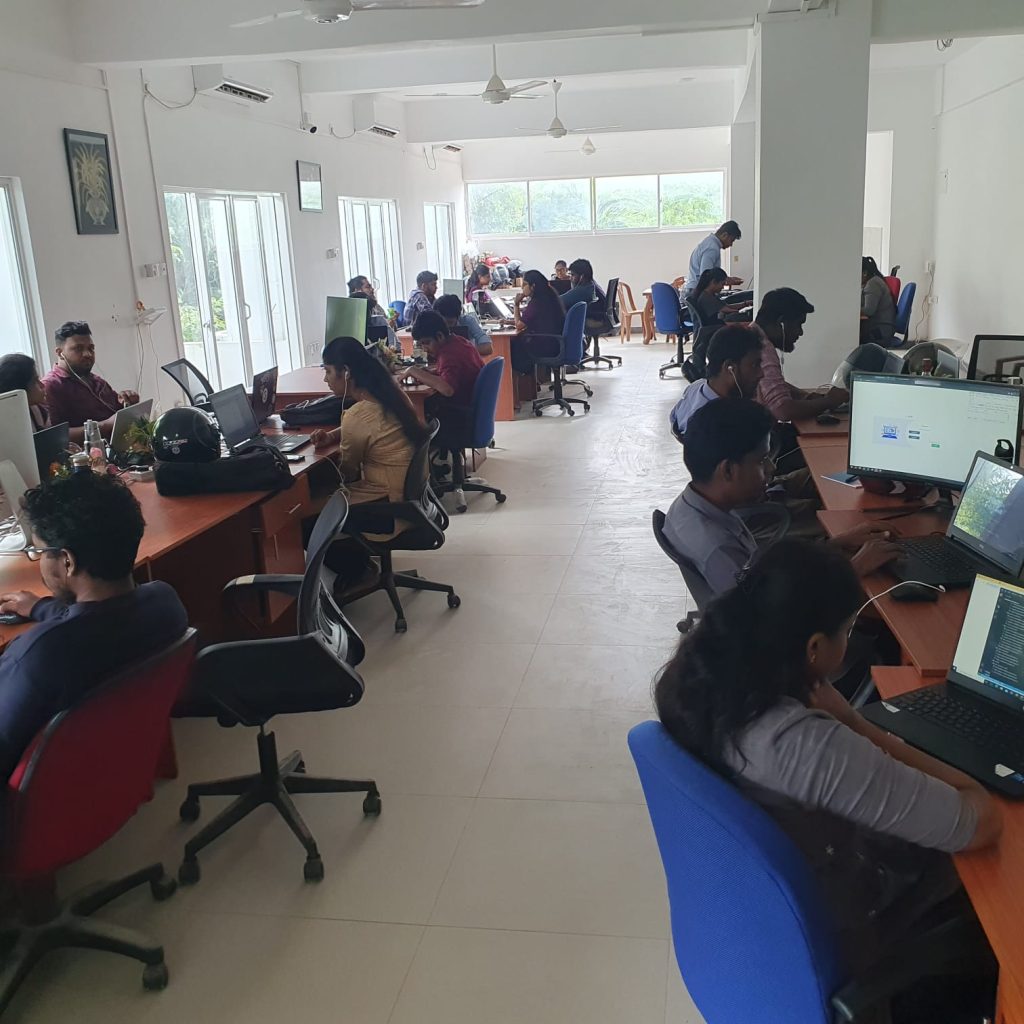
During the COVID-19 lockdowns in 2020 Xebiro, a company headed from the UK, moved some of its Colombo staff back to work from their home towns. Taking the opportunity of having sent an experienced crew to Jaffna, Xebiro used this as the foundation to grow a team there from local talent. Tech skills were not a problem for the new recruits. At a technical level the Jaffna recruits matched Colombo. However Soft Skills were an issue. The new recruits didn’t understand punctuality, effective communications, maximum focus with minimum interruption, keeping commitments, the urgency of emergency. To deal with this issue Xebiro’s UK based CEO, Shaseevan Ganeshananthan, decided to create NurtureLeap. NurtureLeap turns technically competent young people from raw talents into professionals.
Some things were easy to deal with. Using an electronic
fingerprint system to login and logout each day was easy to implement,
producing punctuality by requiring everyone, from trainee to senior manager, to
beat the clock. Effective communication and the urgency of emergency issue are
harder issues. Nodding, laterally and longitudinally, may mean yes may mean no
perhaps something in between. Urgency is hardly a thing in Sri Lanka where
people go really fast on the roads and really slow at work. Knocking off to go
home on time regardless of the situation is normal in the monopolistic Public
Sector and widely infects the Private Sector. In the competitive private sector
leaving a customer hanging can be fatal to the company and the career.