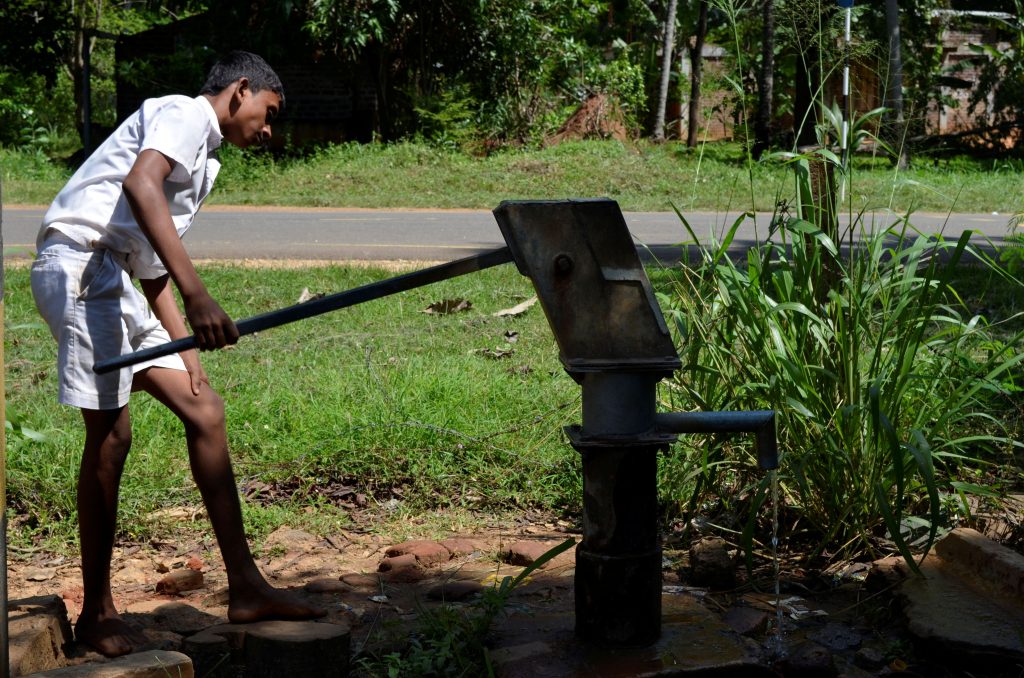
Meaning in Every Drop: Sri Lanka’s El Niño Response
An El Niño year is rarely just about drought. It is about extremes. Current forecasts suggest Sri Lanka could face two connected phases. The first may bring heavier rainfall, localised flooding and landslide risks in the latter part of 2026. The second could be a prolonged dry spell stretching well into 2027, putting pressure on reservoirs, irrigation, groundwater, agriculture, hydropower and household water supplies.
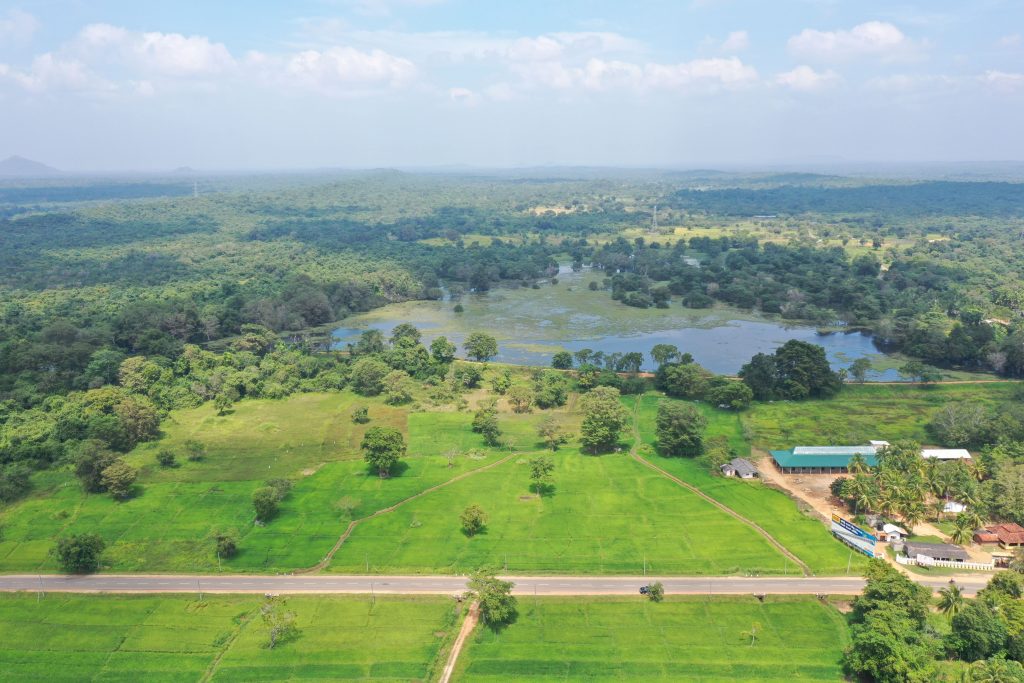
The challenge, then, is not simply how much rain falls, but how well the country captures, stores and manages that water before the dry months arrive. What falls from the sky today will decide what is available tomorrow. Rain that races into the sea or evaporates from poorly maintained tanks leaves communities short of water despite months of downpours. Reservoirs are already running below normal, with the national average around 47% of typical storage. The margin for waste is thin.
Water connects every Sri Lankan. The rain that fills a village tank in the Dry Zone also supports hydropower, industry and the water that reaches homes in every district. El Niño is a national concern, not only a farmers’ concern.
Proven solutions already exist and Sri Lanka does not need to start from scratch. The Climate Resilient Integrated Water Management Project (CRIWMP), financed by the Green Climate Fund and implemented by the Government of Sri Lanka with the support of the United Nations Development Programme (UNDP), ran from 2017 to 2025 across the Dry Zone’s Malwathu Oya, Mi Oya and Yan Oya river basins. It upgraded 325 village irrigation systems across 20 tank cascades, installed over 4,000 household rainwater harvesting systems, and brought tailored agro-meteorological advisories to 569,314 farmers. In total, it reached more than 805,000 people, over 410,000 of them women. Its core lesson is that water works best when managed as a connected system, from rainfall and tanks to groundwater, irrigation and the communities that depend on them.
The value of CRIWMP’s approach is most visible on the ground, in communities that have faced months of drought this year and are still farming.
In the Palugaswewa Cascade, five of the ten medium and large tanks are still holding more than half of their water capacity. That is remarkable on its own, but more so given the context: these tanks supported cultivation across the full extent of both the 2026 Maha and Yala seasons, and the area had no rain from May until September. One tank has even had enough water left to support cultivation in the intermediate season. That outcome did not happen by chance. It reflects careful water management across both seasons , guided by agro-meteorological advisories and weather forecasts, and supported by a combination of on-farm and off-farm water management measures. Just as important is how communities are using what they learned. Members of the Puwakpitiya Women’s Group usually grow onions, a crop that needs water every day. After hearing about the El Niño outlook and the likelihood of extended dry conditions, the group decided on their own to switch to brinjal, which needs watering only about twice a week. No one instructed them to make that change. It was a decision drawn from the knowledge provided to them on climate-smart agriculture, access to climate information and the confidence to act on it, which is exactly the kind of farmer-led adaptation CRIWMP set out to build.
And this is a true example of resilience. Resilience stars with people, communities and institutions. Resilience is about strengthening systems around people.
So here’s a few importance things to keep in mind as we prepare for the months ahead:
Follow official guidance first
The Government of Sri Lanka leads forecasts, advisories, water allocation decisions and emergency response. The public is urged to closely follow the Department of Meteorology, the Disaster Management Centre, the Department of Agriculture, the Department of Irrigation and other relevant authorities. Households in flood- and landslide-prone areas should review evacuation routes, keep essential documents and supplies ready, and act promptly on warnings. Through the CRIWMP initiative, farmers have been empowered to make such informed decisions through agro-met advisories.
Store water while it is available
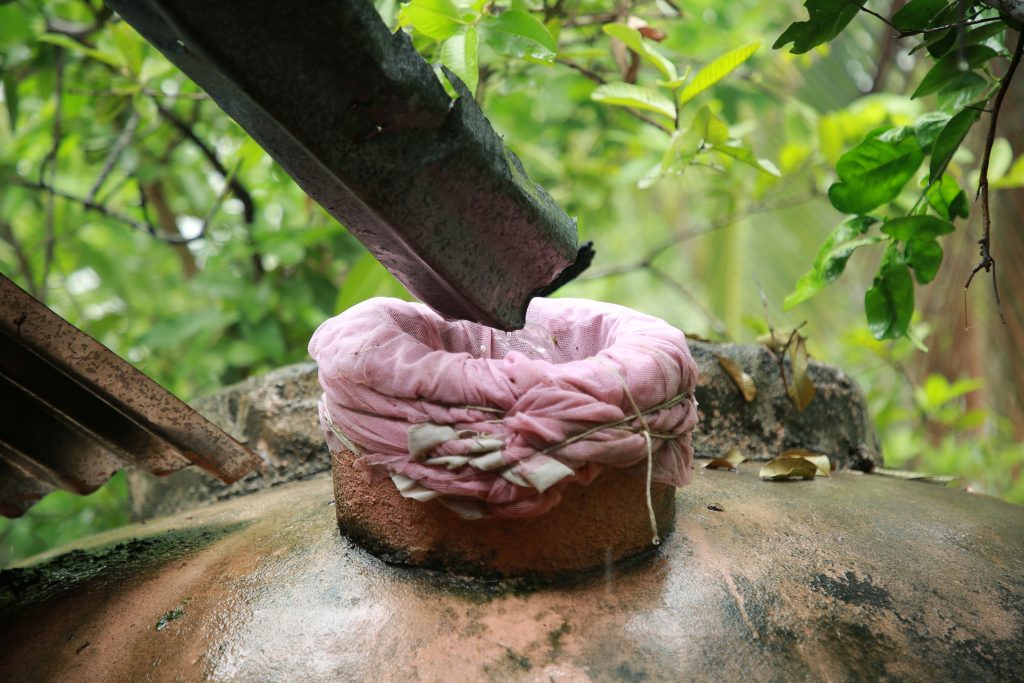
The rainfall is an opportunity as well as a risk. Rainwater harvesting suits this moment well. Households can harvest rainwater from rooftops with simple gutters and storage barrels, and maintain tanks and storage containers so that the water they gather is not lost. A household can start immediately, using the very rain forecast October through to December, and it does not depend on a shared source that may be under strain. Of course, this has to be done in line with guidelines to ensure safety of water is protected. The results speak for themselves and can be seen in many community households and partners who have been capacitated on the step-by-step process to be followed in their own backyard.
Protect water from loss
Conserving water matters as much as capturing it. Fixing leaking taps and pipes, avoiding wastage, covering storage containers and reducing evaporation all help stretch supplies through the dry months. Where water becomes scarce, communities are encouraged to prioritise drinking and domestic needs first, then livestock, then agriculture.
Farmers: plan with the forecast
Farmers should check seasonal forecasts and agro-meteorological advisories before planting, and adjust crop choices and irrigation schedules accordingly. Water-saving practices such as alternate wetting and drying in paddy, and water-efficient crops such as green gram, can reduce demand without sacrificing yields. Diversifying income through home gardens, poultry or other livelihoods also helps households absorb a bad season.
Keep water safe
Floods can contaminate drinking water sources, and drought can concentrate whatever contamination remains. Boiling or treating drinking water, protecting wells from flood runoff and keeping storage containers clean are simple steps that protect health through both phases.
No one left behind
Climate shocks do not fall equally. Women, smallholder farmers, rural households and vulnerable communities often face the greatest risks, and preparedness measures must prioritise them.
Small actions by thousands of households add up to national resilience. Preparing before a crisis is always more effective, and less costly, than responding after it. UNDP will continue to support the Government with technical expertise, knowledge sharing and lessons from successful climate investments, alongside donors and local partners.
The rain ahead can be a threat or a reserve. The choices made now by households, farmers, communities and institutions will decide which. The risk of rain also provides us an opportunity, through informed anticipatory action we can and must prevent possible impact of prolonged droughts.
By preparing for these risks and making the most of every drop, Sri Lanka can emerge from El Niño stronger and more water-secure.