
The Betrayal of Kavanthissa: How Sri Lanka’s Majestic Tuskers Are Being Sacrificed to Negligence and Rhetoric
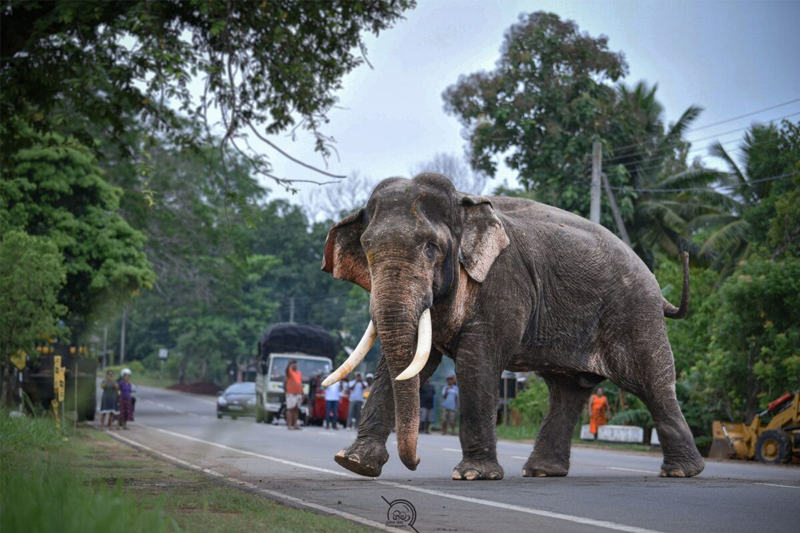
Kavanthissa.
For generations, the gentle giants of Sri Lanka have walked the island’s forests as symbols of majesty, national pride, and spiritual reverence. From the legendary Nedungamuwa Raja to the grand tuskers roaming the dry zone, these magnificent creatures represent the living heritage of a country blessed with irreplaceable biodiversity.
Yet today, that heritage is under unprecedented siege. The recent tragic death of Kavanthissa—a magnificent 11-foot-tall tusker who succumbed to gunshot injuries after weeks of agonizing pain—has sent shockwaves across the nation, exposing a heartbreaking failure of governance, empathy, and wildlife protection.
A Slow, Painful Death in the Shadows
Kavanthissa was not just another statistic in the rising human-elephant conflict; he was one of Asia’s most magnificent tuskers. Standing tall at over 11 feet, he was a living wonder. But his final days were far from regal.
Shooters left him riddled with bullets. For days, he wandered injured, unable to move or feed properly, slowly starving as infections set in. When environmentalists and concerned citizens raised the alarm, the state response was plagued by delays, inadequate veterinary interventions, and bureaucratic deflection. By the time emergency care was deployed, it was already too late.
The tragedy was compounded when the majestic tusker’s neck was severed to retrieve his iconic tusks—a sight that left animal lovers and citizens in deep grief and fury.
“We learned about the environment to love it. But today, I weep for being born in a country where such majestic life is treated with such cruelty.”
— Dr. Ajantha Perera, Environmental Scientist & Activist
The Protests: “Like Letting a Fox Guard the Henhouse”
Outraged by the tragic loss, environmentalists, civil society members, and animal rights activists rallied outside the government corridors, demanding immediate accountability. Prominent environmental scientist Dr. Ajantha Perera led the charge, delivering a scathing critique of government rhetoric and administrative failure.
Dr. Perera targeted the dangerous rhetoric emerging from political leaders regarding wildlife management and crop protection. She pointed out that granting political figures the leeway to urge farmers to treat wildlife like pests—authorizing people to eliminate animals damaging crops—has created a free-for-all environment in rural areas.
Highlighting the reckless influence of politicians over wildlife decisions, Dr. Perera remarked:
“Giving the responsibility of making decisions on wild animals to people with such mindsets is like letting a fox guard the henhouse. You never hand over chickens to a fox!”
The Proliferation of Illegal Firearms & Policy Failures
The death of Kavanthissa is the direct consequence of a deeper systemic crisis:
- Unlicensed Firearms: Thousands of illegal or uncollected firearms remain in rural communities. Originally distributed or overlooked under the guise of crop protection, these weapons are now routinely used to shoot, injure, and slaughter protected wildlife.
- Aggressive Rhetoric: Public statements encouraging local populations to target crop-damaging animals have created a culture of impunity, leading people to take the law—and guns—into their own hands.
- Inadequate Medical & Conservation Response: Despite warning signs, the Department of Wildlife Conservation continues to face severe resource shortages, leaving just a handful of field veterinarians to manage injuries across the entire island.
When tuskers like Kavanthissa or Akbo are shot, improper treatment using aggressive antibiotics often destroys their digestive systems, causing fatal complications rather than healing their wounds.
A Call for True Accountability
The killing of Kavanthissa must mark a turning point. A nation cannot claim to cherish its nature while allowing its grandest icons to be slaughtered in cold blood.
The protesters outside the ministry made their demands crystal clear:
- Immediate Resignation of Responsible Officials: The Director-General of Wildlife Conservation and political authorities who greenlit dangerous wildlife policies must step down.
- Crackdown on Illegal Firearms: A nationwide operation to retrieve unlicensed weapons circulating in rural villages.
- Comprehensive Wildlife Reforms: A complete overhaul of the Department of Wildlife Conservation, equipping veterinary teams with modern care facilities rather than bureaucratic red tape.
- End to Destructive Rhetoric: A complete halt to official statements that frame wild elephants and protected species as mere “pests” to be eradicated.
The Spirit of Conservation Must Prevail
Kavanthissa is gone, but other magnificent tuskers like Akbo still roam the wild under constant threat. If Sri Lanka fails to protect these remaining giants, future generations will inherit a barren landscape devoid of the majestic creatures that once defined the island’s wilderness.