X-Press Pearl Disaster: From Flames to Prevention
By Ruwan Samaraweera:
Sri Lanka’s ecological
disaster related to the MV
X-Press Pearl, a
container ship carrying hazardous chemicals that caught fire off its coast on
20th May 2021, is back in the news as the country attempts to claim
damages. The ecological disaster washed up tons of
plastic pellets and other pollutants on the country’s beaches and harmed
its marine ecosystem. It is a stark reminder of the risks associated
with transporting hazardous materials and the urgent need for governments and
companies to take proactive measures to prevent such disasters in the future.
This blog revisits the environmental impact of the X-Press Pearl disaster and
discusses how Sri Lanka
can use the Sendai
Framework for Disaster Risk Reduction (SFDRR) to develop
strategies and policies to prevent similar disasters from happening near its
shores again.
The Environmental and
Economic Impacts of X-Press Pearl
The X-Press
Pearl disaster has had a devastating impact on Sri Lanka’s
environment and its citizens. The Marine Environment Protection Authority
(MEPA) reported an oil slick of an approximate area of 0.51
km2 with a length of 4.3 km around the wreak. According
to the International Pollutants Elimination Network, the ship’s cargo included billions
of plastic pellets (microplastics used to produce plastic) which have
washed up on the shore, causing damage to the country’s marine ecosystem, tourism
industry and its reputation as an eco-tourism destination. According to the
International Maritime Hazardous Goods Regulation (IMDG regulation), an
analysis of the cargo manifest revealed that at least 81 of the 1,486
containers aboard the MV X-Press were transporting 15
distinct categories of hazardous materials, including 25
tons of nitric acid.
While the full extent of the damage is yet to be determined by the
MEPA, the insurance company for the ship has already compensated the Sri Lankan
government to the tune of USD
7.85 million.
Beyond the monetary valuation,
the disaster has severely impacted Sri Lanka’s fishing industry, with over 20,000
fishing families and approximately 16,000
fishermen affected. Additionally, the spillage of hazardous
chemicals into the sea has killed over 300
marine animals, including turtles, dolphins, and whales.
The disaster has also
raised concerns about the impact of hazardous material transportation on the
environment and public safety, highlighting the need for more stringent
regulations, especially in densely populated areas. It also revealed
institutional and capacity constraints and a lack of training in handling such
emergencies, which should be addressed to prevent such disasters. This is where
the SFDRR comes into play, providing a comprehensive framework to address these
issues and build resilience in the face of such catastrophes.
The Way Forward: Preventing
Future Maritime Disasters
The X-Press Pearl disaster
is a wake-up call for governments and companies worldwide to take proactive
measures to prevent similar disasters in the future. Since its inception in
2015, the SFDRR has become widely recognised for managing diverse disasters
worldwide.
The Sendai Framework
Even though there are
various frameworks and policies related to disaster risk reduction at the national
level in Sri Lanka,
including the National Disaster Management Plan, they were inadequate to
address the X-Press Pearl disaster timely and effectively. Other countries use numerous measures like
response and containment techniques, preparedness and planning, regulation and
enforcement, international cooperation and collaboration. The SDFRR combines
these individual efforts and brings them under an umbrella framework.
Hence, it offers a
comprehensive framework that countries like Sri Lanka can adopt to address the
challenges associated with hazardous material transportation and other maritime
disaster risks. Moreover, while the adoption of the SFDRR is novel for
preventing maritime disasters, it has been widely adopted by many countries, including
but not limited to Japan (climate
change, Tsunami, Fukushima nuclear disaster, etc.), Australia (wildfires),
and Nepal (earthquakes).
Therefore, the X-Press Pearl maritime disaster emphasises the potential for
harnessing the SFDRR’s wide range of applicability to prevent future similar
disasters in Sri Lanka.
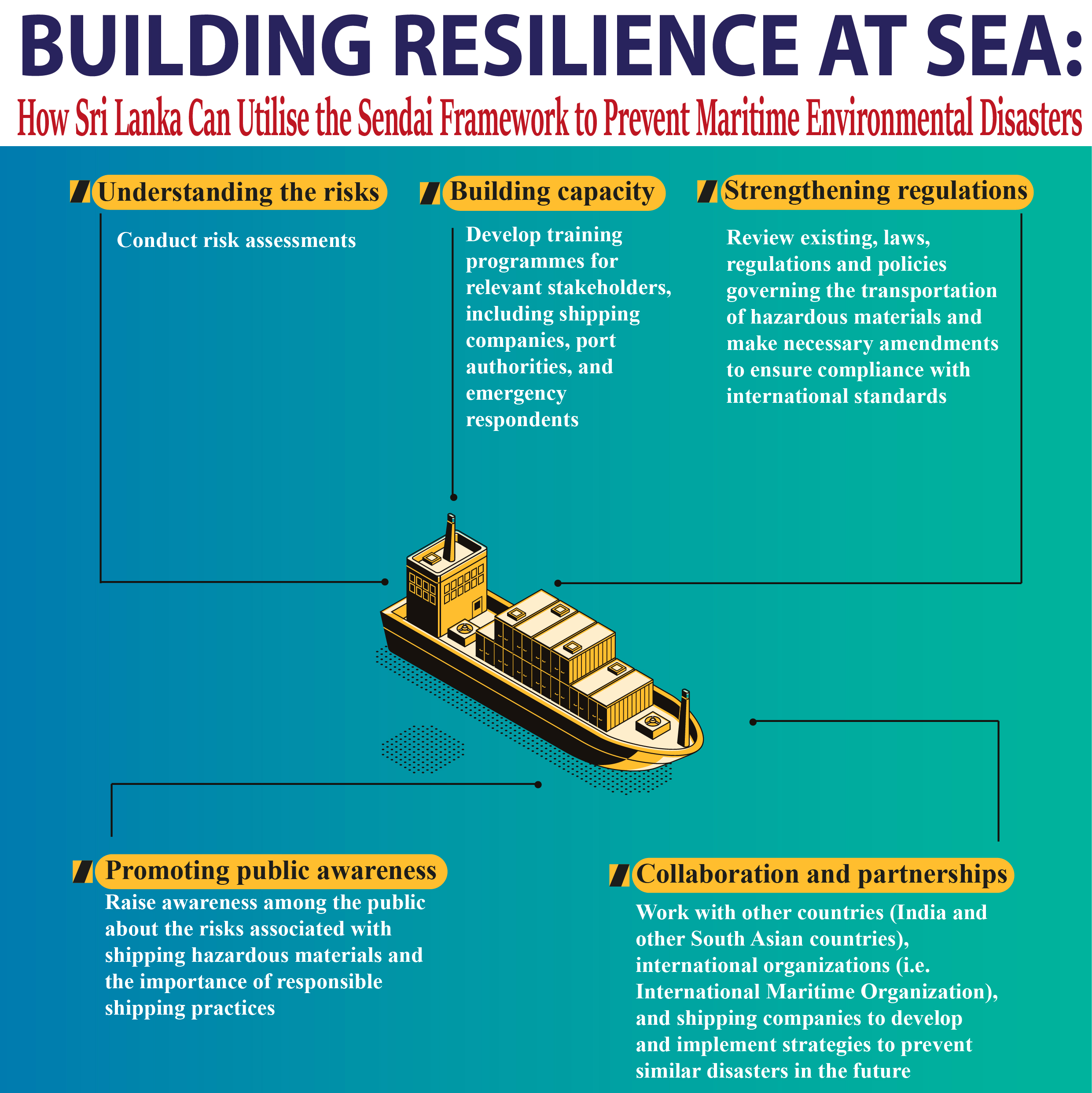
Figure 1: Building Resilience at Sea: How Sri Lanka Can Utilise the Sendai Framework to Prevent Maritime Environmental Disasters
Source: Author-generated
illustration
Understanding the
risks
The first
step in preventing such disasters is understanding the risks of shipping
hazardous materials through Sri Lanka’s waters. Sri Lanka did not have a proper
contingency plan in place
to deal with a disaster of this scale. Furthermore, the risk assessment
conducted prior to granting permission for the vessel to enter Sri Lankan
waters did not adequately consider the potential impact of a disaster. Thus, as
mentioned in the SFDRR, Sri
Lanka should conduct a risk assessment
concerning the potential impact of such disasters on the environment, the
economy, and public health.
Strengthening
regulations
The SFDRR emphasises
the need to strengthen regulations and laws to prevent disasters. For instance,
the
Draft National Transport Policy of 2009 highlights the safer
transportation of hazardous material in all modes, yet the cabinet has not
approved this.
Therefore, it is
imperative that Sri Lanka
reviews its existing laws and regulations, such as the National Environmental
Act No. 47 of 1980, the Marine Pollution Prevention Act No. 35 of 2008, and the
Dangerous Goods (Transportation) Regulations governing the transportation of
hazardous materials and makes necessary amendments to ensure compliance with
international standards.
Building capacity
The SFDRR encourages
increasing preparedness at all echelons of society. During
the X-Press Pearl disaster, emergency responders lacked the necessary equipment
and training to respond to the disaster effectively. Additionally,
poor coordination between different agencies hampered the response effort. To
address these issues, training programmes in collaboration with the Sri Lanka
Navy and MEPA could be conducted for essential stakeholders such as shipping
companies, port authorities, and emergency responders. These programmes could
provide them with the necessary knowledge and skills to prevent and effectively
respond to such catastrophes.
Promoting public
awareness
The
framework stresses the need to educate the public and raise awareness to
prevent disasters. However, in the recent disaster, the lack of public awareness about the risks associated with transporting
hazardous materials made it difficult to generate support for preventive
measures. Therefore, the government, private sector, non-governmental
organisations and other relevant stakeholders are responsible for informing the
public about the risks of transporting hazardous commodities and the importance
of adopting safe shipping practices.
Collaboration and
partnerships