
SL with support from Norway, UNICEF & UN Volunteers, launches digital systems to support communities affected by Cyclone Ditwah
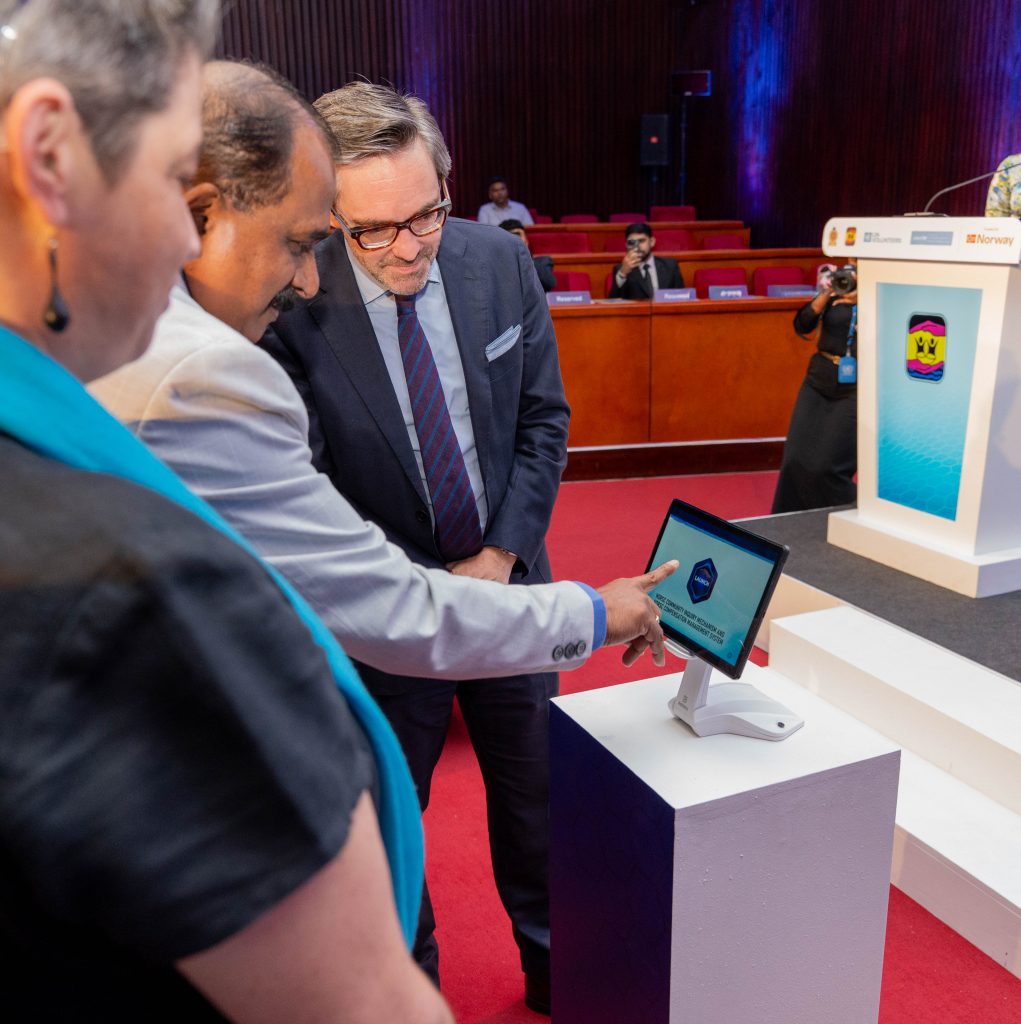
The National Disaster Relief Services Centre (NDRSC) under the Ministry of Defence today launched its new digital Compensation Management System and the Community Inquiry Mechanism, funded by the Government of Norway and supported by UNICEF Sri Lanka and UN Volunteers. This is a major step forward in ensuring faster, more transparent and accessible support for communities affected by Cyclone Ditwah. The launch of these digital systems was held at the BMICH in the presence of Deputy Defence Minister, Major General (Retd) Aruna Jayasekara.
The new digitized Compensation Management System is designed to ease the administrative burden on government officials, and disaster-affected families, by replacing time-consuming, manual procedures with a streamlined digital process. For survivors of the Ditwah cyclone, many of whom suffered loss of loved ones, homes and livelihoods, the system removes the need to travel long distances or make repeated visits to government agencies to submit claims. Instead, they can file compensation requests online via their Grama Niladhari officers, reducing wait times and making the process simpler and more efficient.
Another key component- the Community Inquiry Mechanism, which was also launched today, will facilitate the systematic management of inquiries received from affected communities regarding cyclone Ditwah disaster relief including allowances and compensations, rehabilitation, and resettlement services. The Inquiry Mechanism allows affected communities to submit their queries directly to the NDRSC via a QR code or by calling 0716 807 807 hotline, operational on weekdays from 9.00 a.m. to 4.00 p.m., in Sinhala, Tamil, or English.
Every inquiry, following an initial review, will be referred to the relevant national or divisional-level NDRSC officers for necessary action and follow-up. During the submission of a query, every individual will be issued a unique reference code through which they will be able to track the status of their inquiries via the QR code or hotline.
Namal Liyanage, Senior Assistant Secretary of the NDRSC noted that these digital systems mark a new chapter in how Sri Lanka responds to disasters and will be vital in improving their response time during emergency situations. “In a crisis, immediate response is crucial. These digitized systems transform our ability to act quickly, providing us with the precise tools needed to meet the urgent needs of our people. We are setting a new benchmark for transparency and efficiency in how we support every family hit by disaster.”
These efforts supported under the UN Humanitarian Priorities Plan (HPP) align with the Government’s national digitalization priorities, enhancing service efficiency and responsiveness. UNICEF Sri Lanka, which provided technical support for the establishment of the systems as well as capacity building of the officials handling the processes, underscored the need for people-centered assistance for disaster-affected communities.
“Access to timely support is not a privilege – it is a right for every affected family. These systems deliver dignity, speed, and fairness, so children and their families can begin rebuilding with confidence. They also strengthen response efforts by upholding accountability to affected people through prompt information sharing, understanding community needs and effectively managing and following up on inquiries,” said Emma Brigham, UNICEF Representative in Sri Lanka.
“The commitment of 34 UN Volunteers – bridging technical expertise and community reach – was central to making these systems a reality. From ICT specialists who built platforms to community volunteers gathering data across districts, they transformed a digital solution into meaningful support” UN Volunteers Sri Lanka, Country Coordinator, Sharmalee Jayasinghe said.
These system-strengthening efforts are expected to be further reinforced through potential collaborations between the NDRSC, the Welfare Benefits Board, and the Election Commission. The digitization of disaster relief services is a key step in modernizing public service delivery. It also helps ensure that disaster response truly serves those most affected. For families rebuilding after the Ditwah cyclone, it brings quicker support and less strain at a time when every hour matters, helping them move forward with greater security and hope.